


The Future of Farmland Investment in India: Trends to Watch in 2026
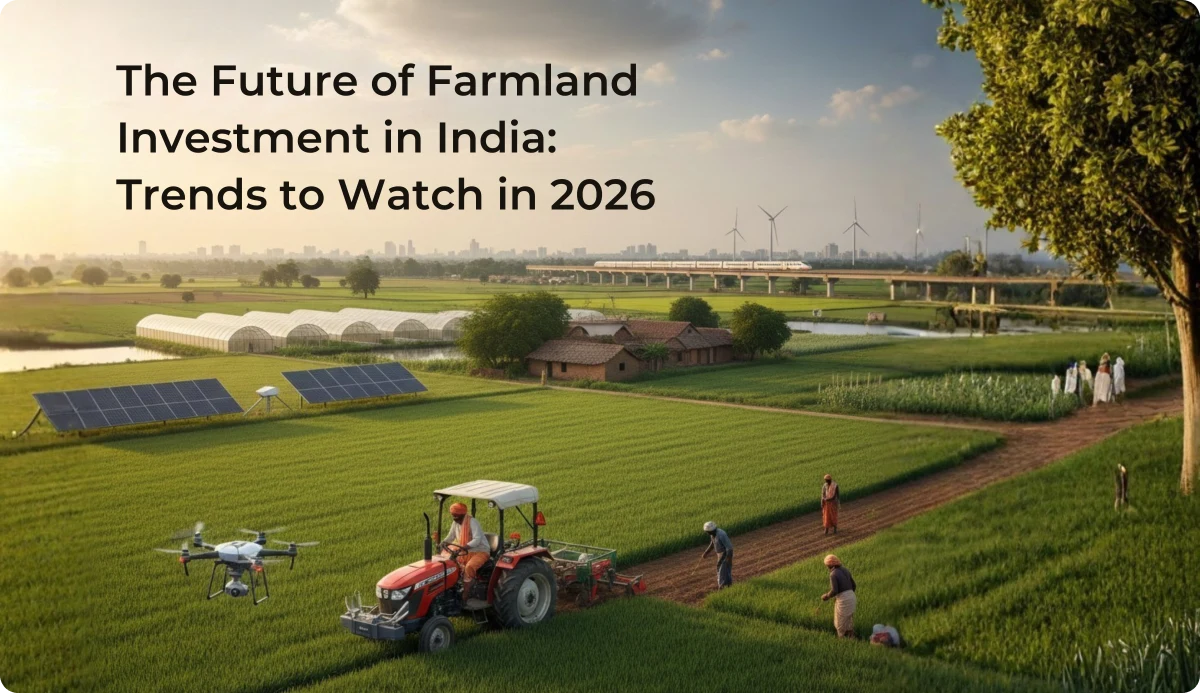
Investing in farmland has always been a reliable way to build wealth and secure a future. But with the ever-changing landscape of agriculture, technology, and urbanization, it’s important to understand the trends shaping farmland investment in India. As we move towards 2026, several exciting shifts are taking place that make farmland a more attractive and profitable investment than ever before.
If you’re thinking about investing in farmland, or if you're already a landowner, it’s essential to keep an eye on the evolving trends. In this blog, we’ll explore the key trends that are likely to impact the farmland market in India over the next few years and how you can leverage these changes to make informed investment decisions.
1. Growing Demand for Sustainable and Organic Farming
One of the most noticeable trends in India’s agricultural sector is the rising demand for sustainable and organic farming As awareness about health and environmental sustainability grows, consumers are increasingly turning to organic produce. This shift is prompting farmers to adopt more eco-friendly practices, which in turn is driving up the demand for land that supports organic farming.
By 2026, the Indian government is expected to implement even more policies promoting sustainable farming practices and the use of organic fertilizers. This will create a demand for farmlands suitable for growing organic crops, opening new investment opportunities in this field.
If you’re considering investing in farmland, look for properties that offer good soil quality and favorable climates for organic farming. These lands are likely to see higher demand and potentially higher returns, as the market for organic products continues to expand.
2. Farmland as a Long-Term Investment in a Growing Economy
India’s economy is projected to continue growing, and as urbanization expands, the pressure on agricultural land will increase. While this may seem like a negative factor for farmland owners, it actually presents a long-term opportunity for capital appreciation.
As cities like Bangalore and Hyderabad expand, farmland located nearby is becoming more valuable. Developers and investors are keen to buy agricultural land for real estate development, and as infrastructure improves, the value of farmland will likely rise.
2026 will see more government initiatives to link rural areas to urban hubs through improved roads, highways, and even technology-driven farming initiatives. These infrastructure developments will further enhance the value of nearby farmlands.
3. The Rise of Agri-Tech: Technology Meets Farming
Another trend to keep an eye on is the growth of agri-tech. Technology is transforming the agricultural landscape by improving farming efficiency, crop yields, and even how we buy and sell agricultural products. Innovations like drones, AI-driven irrigation systems, and sensors for soil health monitoring are already gaining traction, and this trend will continue to grow over the next few years.
For investors, agri-tech offers an exciting opportunity to modernize farming practices, increase productivity, and boost profitability on their land. If you're investing in farmland in 2026, it would be wise to explore how you can incorporate technology to improve operations — whether it’s through automation, better crop management, or sustainable resource usage.
This trend also opens the door to precision farming — a more efficient and profitable way to manage crops using data and technology. As this becomes more widespread, it could significantly increase the returns on your farmland investment.
4. The Growing Popularity of Agro-Tourism and Farm Stays
With the hustle and bustle of urban life, more people are seeking out rural escapes and a return to nature. Agro-tourism — where visitors experience life on a farm — is expected to become a significant trend in India by 2026.
Investing in farmland near tourist destinations or scenic locations and converting part of the land into a farm stay or agri-tourism experience is a lucrative opportunity. This trend not only brings in income through tourism but also creates awareness of sustainable farming practices among urban dwellers. Eco-friendly farm stays will attract tourists who want to enjoy fresh, organic food while learning about farming techniques.
In the coming years, more farmland owners will tap into the agro-tourism market, offering activities like fruit-picking, organic farm tours, workshops on sustainable living, and even cooking classes using farm-fresh ingredients.
5. Government Initiatives and Support for Farmers
The Indian government is focusing on improving the agricultural sector, and this will create several opportunities for farmland investors. From subsidies for farmers to grants for sustainable farming practices, there are numerous policies in place to support those who invest in agriculture.
By 2026, the government is likely to introduce more initiatives related to irrigation, soil health, and agriculture-related infrastructure. If you invest in farmland near Bangalore or other urban hubs, you may benefit from tax incentives, grants, or subsidies aimed at increasing productivity and sustainability.
Additionally, the government’s push for food security will ensure that demand for agricultural land continues to grow. Farmland owners who align with these initiatives and invest in technologies like drip irrigation or solar-powered systems will be positioned for success.
6. Increased Interest in Farmland for Green Living and Self-Sufficiency
In a world where people are becoming more conscious of their environmental impact, there’s a growing interest in self-sufficiency and green living. More individuals are turning to farmland near Bangalore and other cities as an opportunity to live off the grid and grow their own food.
Investors are starting to look at land for eco-friendly homes, solar-powered farming, and water conservation systems. These trends not only align with a more sustainable lifestyle but also offer opportunities to generate passive income through organic farming, renewable energy production, and even eco-tourism.
Conclusion: The Future of Farmland Investment Is Bright
The future of farmland investment in India looks promising as we move toward 2026. From the rise of sustainable farming practices and agri-tech to the increasing popularity of agro-tourism, there are countless opportunities for those looking to invest in farmland. With India’s growing population, rapid urbanization, and increasing demand for organic produce, farmland is set to become an even more valuable asset.
If you’re considering investing in farmland, now is the perfect time to explore these trends and position yourself for success. Whether you’re looking for long-term capital appreciation, income through farming or agro-tourism, or just a way to contribute to sustainable agriculture, farmland near Bangalore and other cities can provide a stable and profitable investment for years to come.
Related Articles
Top 5 Benefits of Farmland Investment Near Bangalore
Discover the top 5 benefits of farmland investment including steady income, appreciation, tax benefits & long-term wealth creation near Bangalore.
Read more
How to Invest in Farmland in India | Bangalore Guide
Step-by-step guide to investing in farmland in India. Learn legal checks, financing, location tips & how to buy farmland near Bangalore safely.
Read more
Passive Income from Farmland Near Bangalore
Learn how to generate passive income from farmland near Bangalore through leasing, agro-tourism, specialty crops & smart land investments.
Read more
